Stara Zagora Projection Mapping
MP-STUDIO transformed the 50-metre Defenders of Stara Zagora Memorial Complex into a large-scale projection mapping installation for Bulgaria's National Holiday, using photogrammetry, ProjectionTools camera-based calibration and EXAPLAY playback.
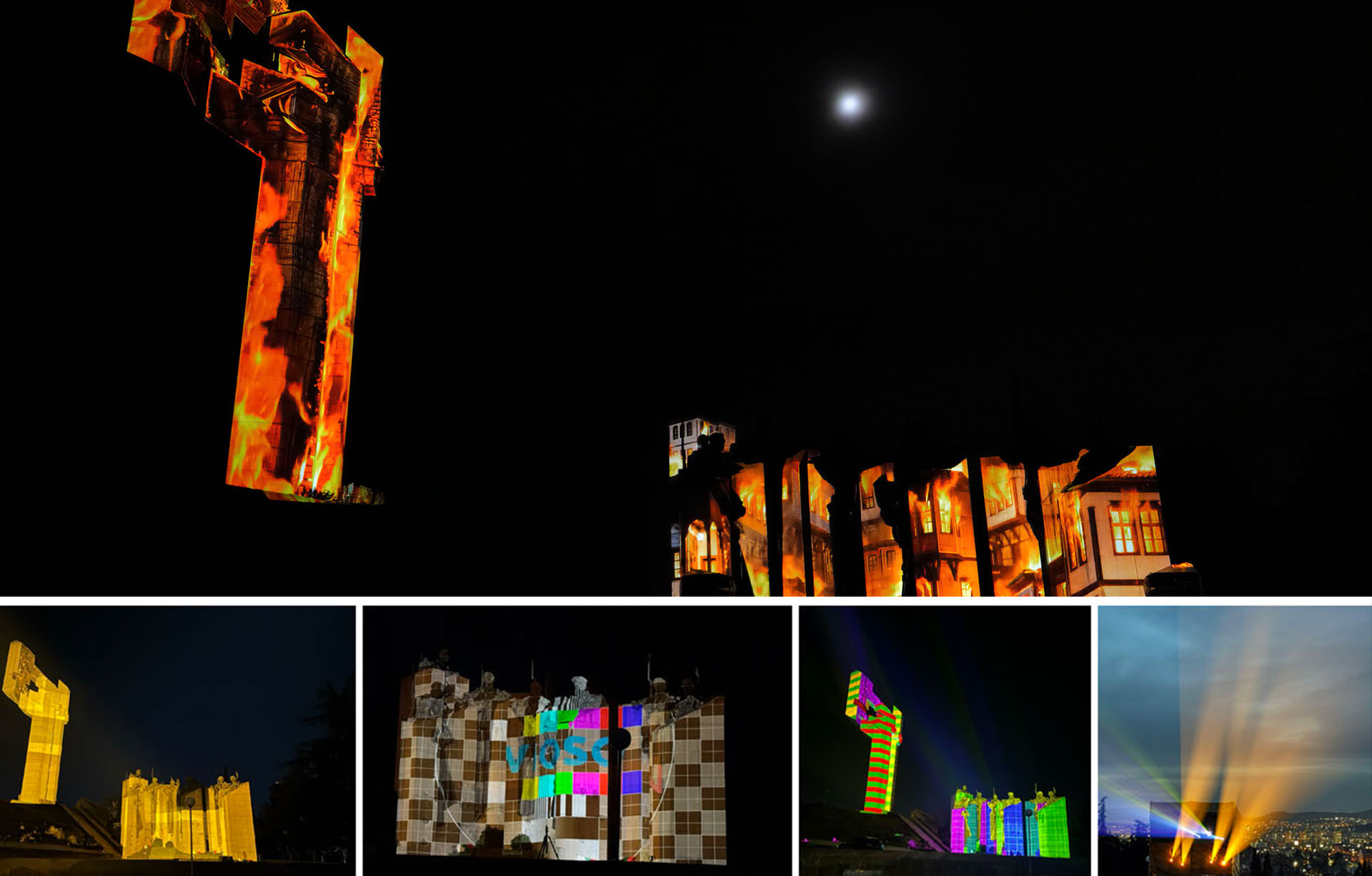
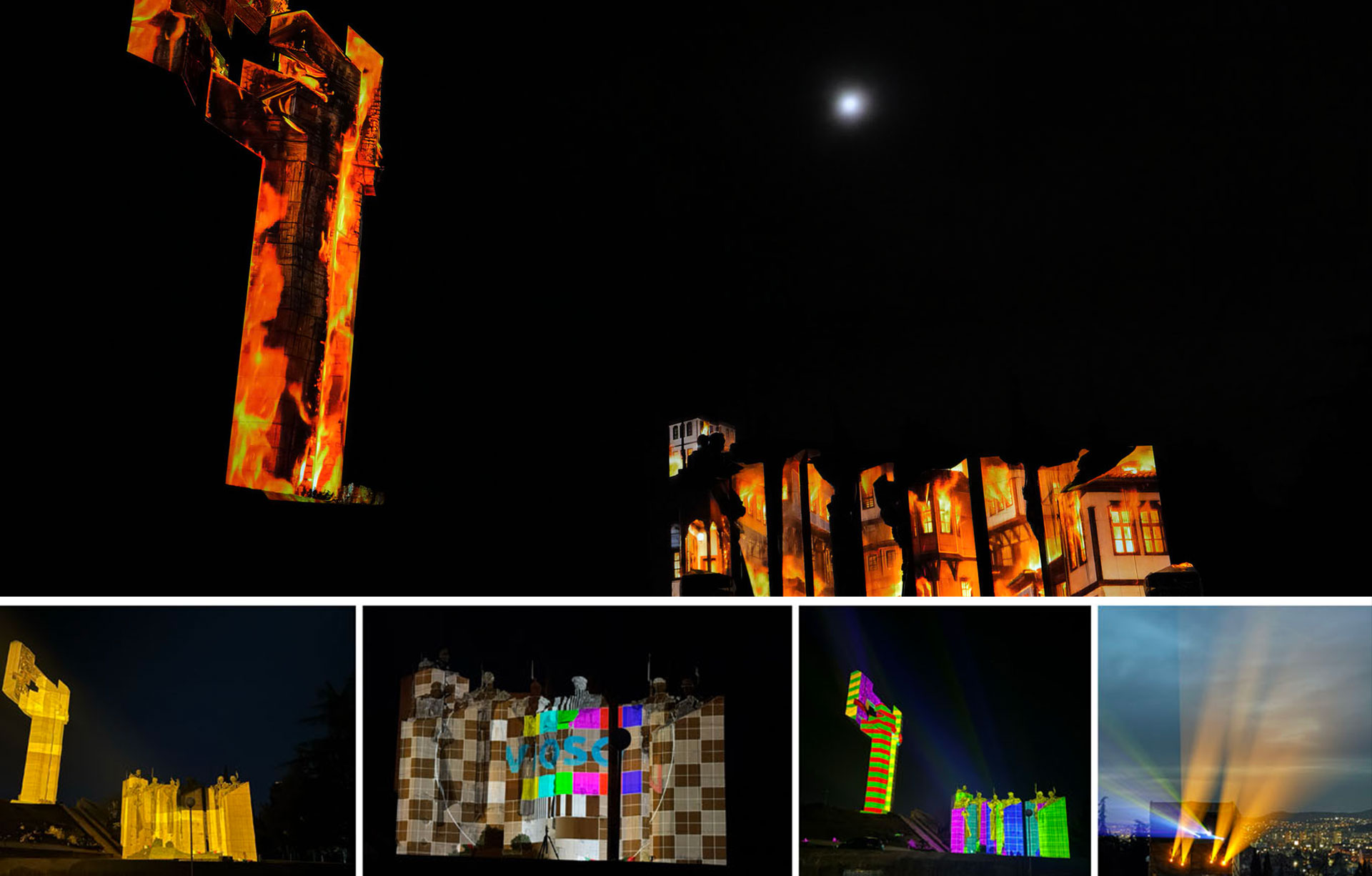
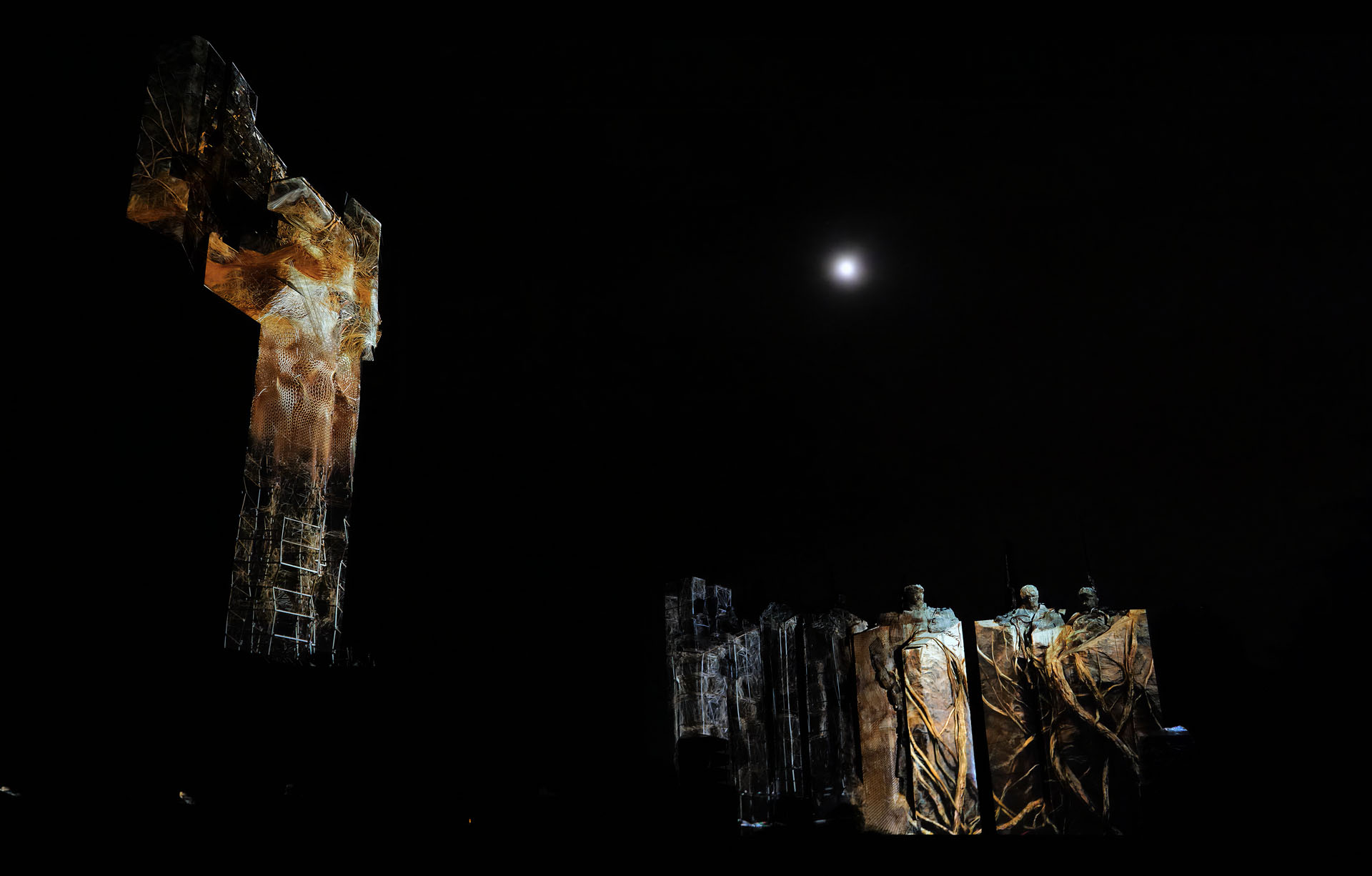
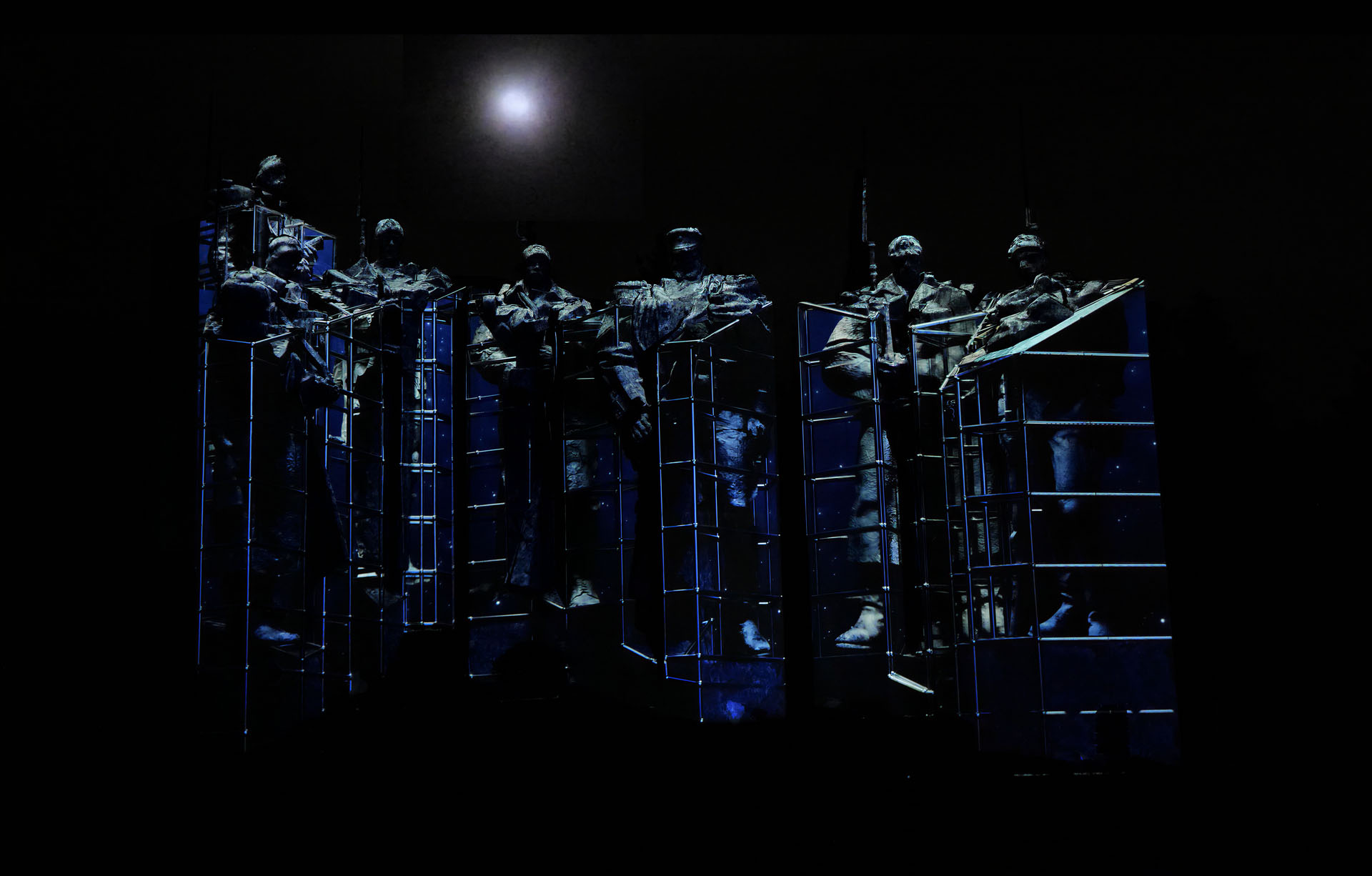
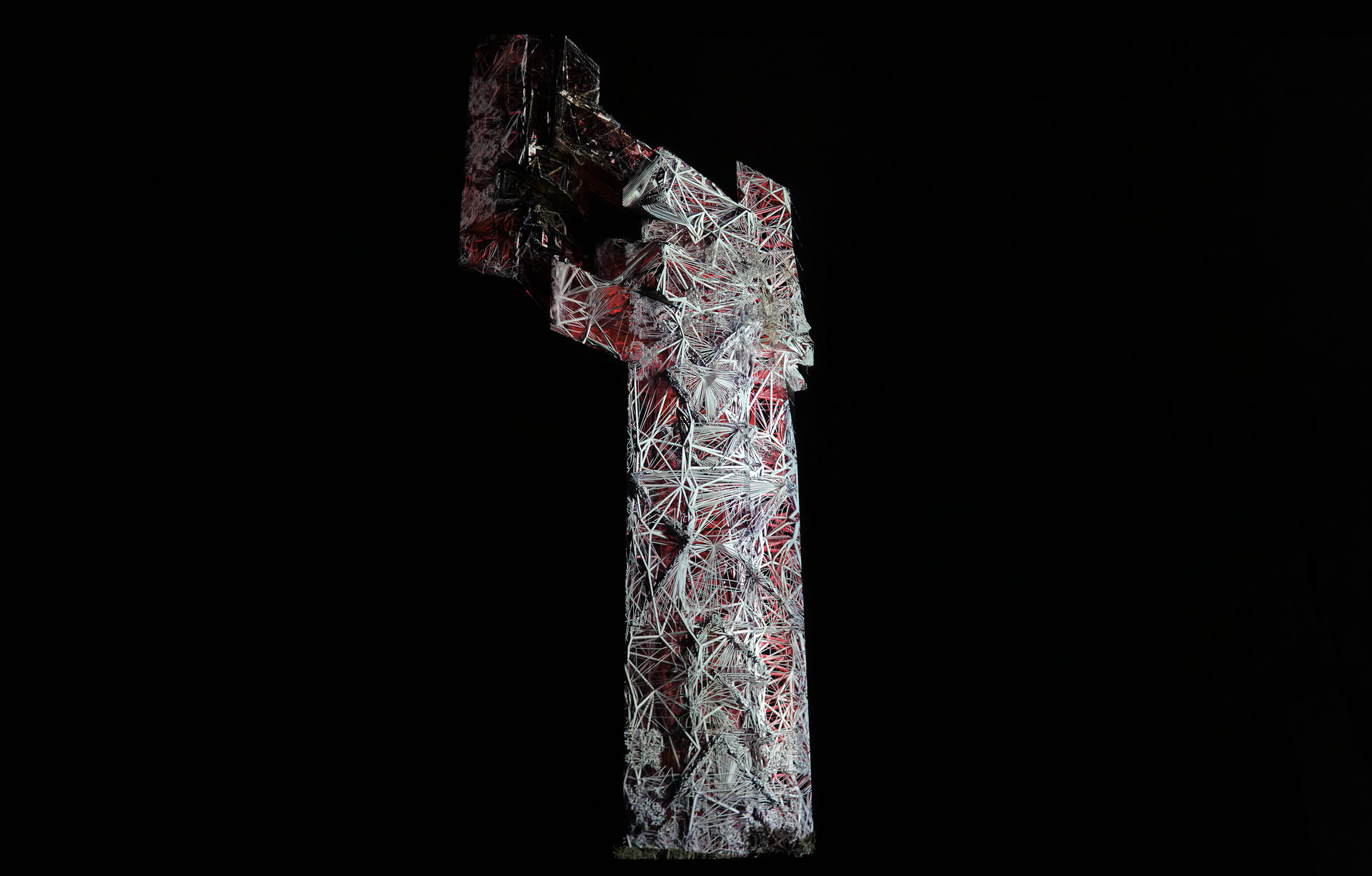
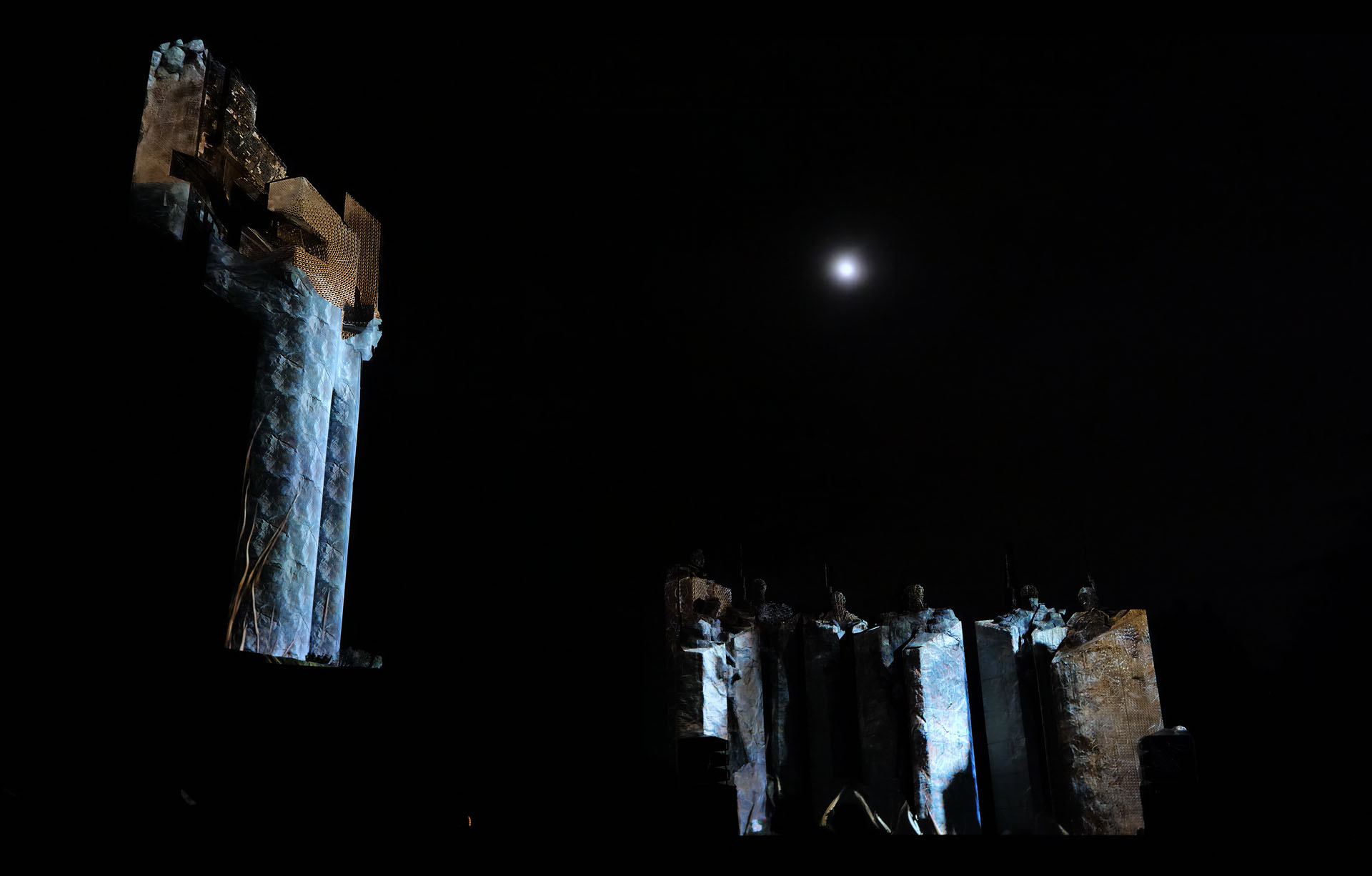
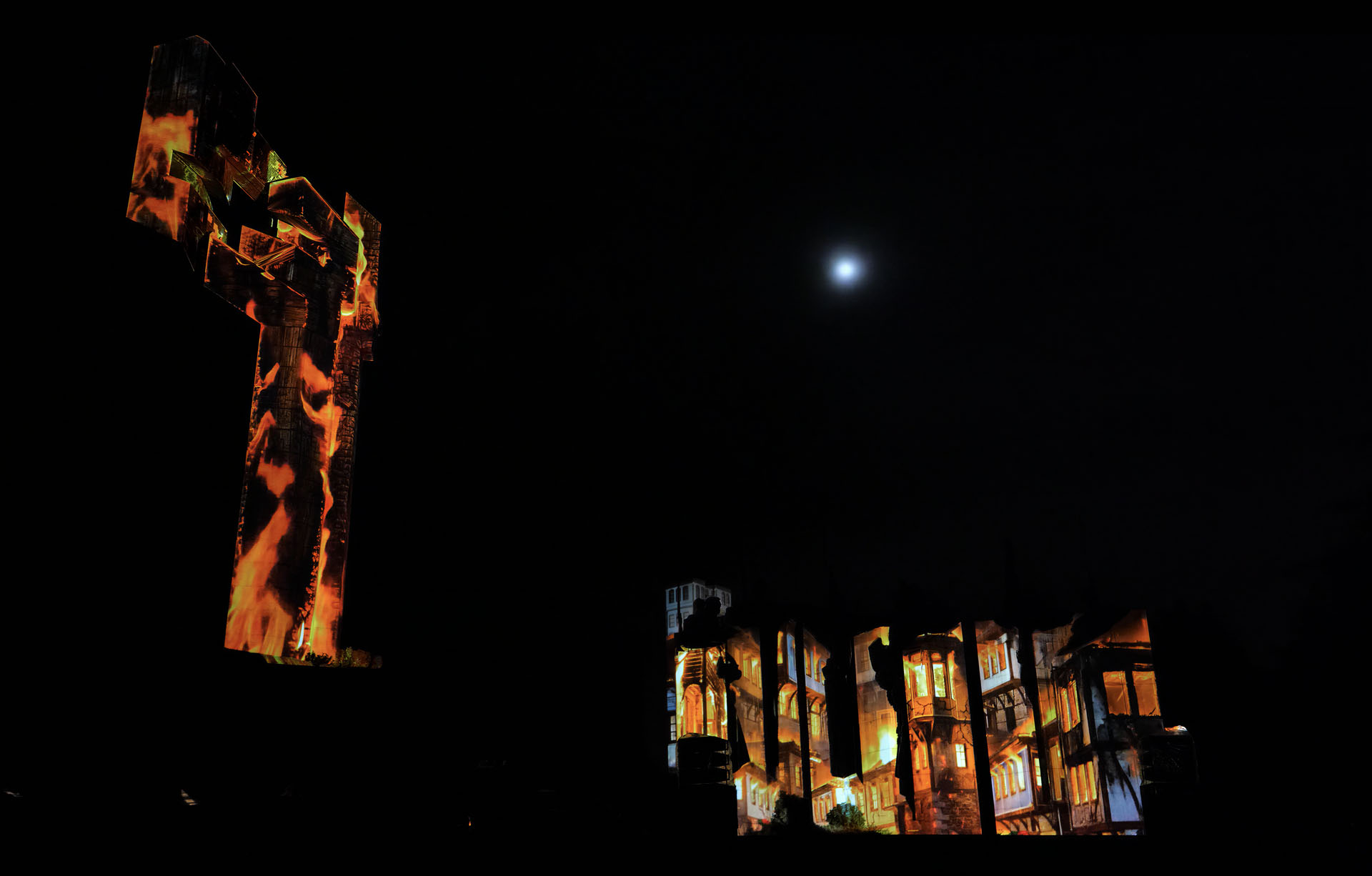
To mark Bulgaria’s National Holiday on March 3rd, MP-STUDIO delivered a large-scale projection mapping installation titled Memory at the Defenders of Stara Zagora Memorial Complex.
The 50-metre monument, featuring sculptural elements including the Samara Flag and figures representing the defenders of Stara Zagora, was transformed into a dynamic audiovisual narrative, where content appeared to emerge directly from the structure itself.
From Digital Twin to Projection Surface
To achieve the required level of precision, MP-STUDIO developed a full photogrammetry model of the monument using drone scanning and RealityScan for Unreal Engine. This created a detailed digital twin, which was imported into ProjectionTools.
Feature markers were then applied to key elements such as the soldiers and flag, allowing the system to accurately correlate the digital model with the real-world structure. This ensured precise alignment across complex geometry, where conventional flat-surface workflows would not deliver sufficient accuracy.
Full warping, blending and geometric alignment were completed in approximately 15 minutes.
From Hours to Minutes: Calibration in 15 Minutes
The installation utilised 3 x 20,000-lumen and 6 x 16,000-lumen EPSON projectors, each running at 1920 x 1200 resolution. Using ProjectionTools’ camera-based workflow, MP-STUDIO completed full warping, blending and geometric alignment in approximately 15 minutes.
This represented a significant reduction compared to traditional manual calibration workflows, particularly important for a single-day live event where setup time was limited and reliability was critical.
Technical summary
High-Impact Playback, Minimal Footprint
Playback was handled by a single AnyStation 4K server running EXAPLAY with HAP-encoded content. All nine projectors were driven from this compact system using splitters, enabling a fully synchronised, high-resolution canvas without the need for multi-server infrastructure.
This approach reduced system complexity and minimised the hardware footprint onsite, improving reliability for time-critical deployments.
A Monument as a Storytelling Medium
For the duration of the event, the monument became an integral part of the narrative itself, with its surfaces, forms and details used to convey themes of identity, sacrifice and national memory.
The result was a technically precise installation that supported a highly emotional and culturally significant experience.
“Working on a monument of this complexity requires absolute confidence in both the calibration and playback pipeline. The combination of photogrammetry and camera-based calibration allowed us to achieve precise alignment across highly detailed geometry, while the speed of the workflow was critical given the constraints of a one-day event. Running the entire system from a single compact server also simplified deployment significantly, without compromising performance.”